In our fast-paced digital world, our smartphones and tablets are more than just devices; they’re our connection to everything. Protecting these essential tools, especially their vibrant displays, has become paramount. While many options exist, the Ultra Glass Screen Protector stands out as the pinnacle of display defense, offering an advanced level of protection that goes far beyond traditional solutions. At PPICM.com, we understand the intricate science behind screen protection, and with over a decade of hands-on experience, we’re here to demystify why ultra glass is truly a cut above the rest.
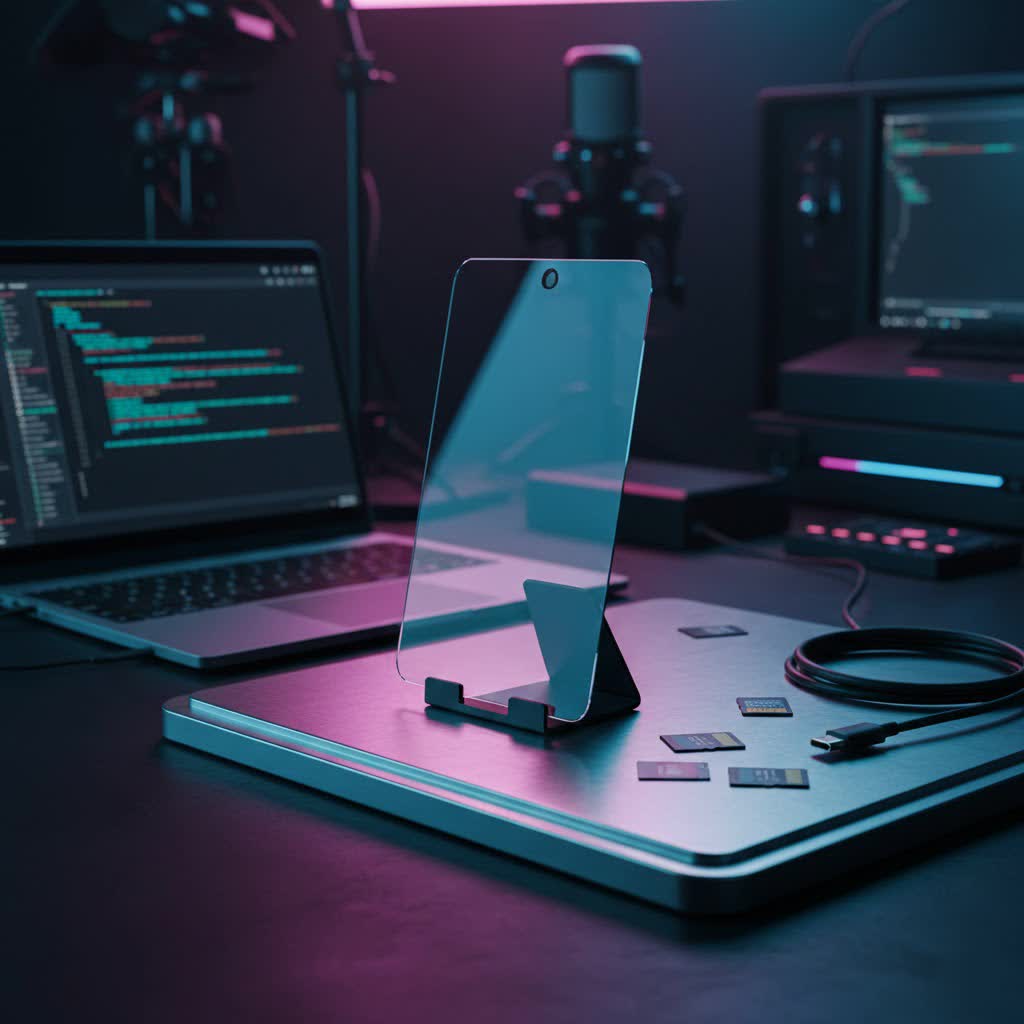
What Makes an Ultra Glass Screen Protector “Ultra”?
When we talk about an ultra glass screen protector, we’re not just throwing around fancy marketing terms. This isn’t your average tempered glass. It represents a significant leap forward in material science and manufacturing technology, specifically designed to offer superior resilience. Many premium “ultra glass” protectors leverage advanced processes like double-ion exchange technology. This involves immersing the glass in a salt solution at extremely high temperatures, which replaces smaller ions in the glass with larger ones. This exchange compresses the glass at a molecular level, fundamentally altering its chemical composition and creating a protective layer that is significantly stronger and more durable than standard tempered glass. Think of it like a microscopic armor upgrade.
What is the key difference between ultra glass and regular tempered glass?
The key difference lies in the enhanced chemical strengthening process; ultra glass typically undergoes more intensive and sophisticated ion-exchange treatments, making it exponentially tougher against impacts and scratches compared to standard tempered glass.
Some ultra glass formulations also utilize specialized materials like lithium aluminosilicate (LAS). LAS is known for its exceptional strength and heat resistance, often found in demanding applications like advanced ceramics. Integrating such materials into a screen protector design significantly boosts its ability to withstand extreme pressure and blunt force, offering a level of protection that traditional tempered glass simply cannot match. This innovative approach allows for thinner, yet far more robust, screen protection.
Unrivaled Protection: The Benefits You Can’t Ignore
The advantages of opting for an ultra glass screen protector are clear, offering a comprehensive shield for your device that addresses the most common threats to your screen’s integrity.
Superior Impact Resistance
|
Our Picks for the Best Screen Protector in 2026
As an Amazon Associate I earn from qualifying purchases.
|
||
| Num | Product | Action |
|---|---|---|
| 1 | ESR 3 Pack for iPhone 17 Pro Max Privacy Screen Protector, Military Grade Shatterproof, 9H Hardness, Anti-spy Tempered Glass with UltraFit Tray |

|
| 2 | ESR 3 Pack 9H+ Glass for iPhone 16 Pro Max Screen Protector, [Military Grade Shatterproof & Longest Durable] Armorite Ultra-Tough Tempered Glass with UltraFit Tray |
|
| 3 | ZAGG Glass+ Screen Protector for iPhone 16e/ 14/13/ 13 Pro - 3X Shatter Protection, High Scratch Resistance, Oil-Resistant, Reinforced Edges, InvisibleShield, Easy Install |
|
| 4 | ESR 3 Pack for iPhone 16 / iPhone 15 Privacy Screen Protector, Anti-spy Tempered-Glass Privacy Screen Protector with Easy Installation Tool, Micro-Curved Edges, Case Friendly |
|
| 5 | ESR 3 Pack 9H+ Glass for iPhone 16 Pro Max Privacy Screen Protector, [Military Grade Shatterproof & Longest Durable] Armorite Anti-spy Tempered Glass with UltraFit Tray |
|
| 6 | ZAGG Glass+ Screen Protector for iPhone 15-3X Stronger with Reinforced Edges, Scratch & Smudge-Resistant Surface, InvisibleShield, Easy to Install |
|
| 7 | ESR 3 Pack for iPhone 16 / iPhone 15 Screen Protector, [9H Hardness] [Military Grade Shatterproof] Full Coverage Tempered Glass Film with Easy Installation Tool, HD Clear, Scratch Resistant |
|
| 8 | ESR Accessory Glass by Corning™ 3 Pack 9H+ Glass for iPhone 17 Pro Max Screen Protector, with AR Anti-Reflective Technology, Military Grade Shatterproof & Durable with UltraFit Tray |
|
| 9 | ZAGG Glass+ Screen Protector for Phone 15 Pro - 3X Stronger with Reinforced Edges, Scratch & Smudge-Resistant Surface, InvisibleShield, Easy to Install |
|
| 10 | ESR 3 Pack for iPhone 16 Pro Screen Protector, [9H Hardness] [Military Grade Shatterproof] Tempered Glass Film with Flawless Fit Tray, HD Clear, Scratch Resistant |
|
One of the most compelling reasons to choose an ultra glass screen protector is its incredible ability to absorb and disperse impact force. While no screen protector can guarantee invincibility, ultra glass is engineered to handle significant drops and blunt force trauma far better than its predecessors. We’ve seen models claiming to be up to 25 times stronger than traditional glass, capable of protecting your device from drops of over seven feet. This heightened impact resistance means that when your phone takes an unexpected tumble, the protector is far more likely to absorb the shock, keeping your device’s original screen pristine beneath.
Unyielding Scratch Defense
Your phone faces a barrage of potential scratch threats daily—keys in your pocket, coins in your bag, or even just abrasive surfaces. An ultra glass screen protector offers exceptional scratch resistance, often boasting a 9H hardness rating on the Mohs scale. This rating indicates a material’s resistance to scratching by harder materials. A 9H rating means it’s resistant to scratches from objects like sand and even certain blades, ensuring your screen remains clear and unblemished, even with the rigors of everyday use.
Crystal Clear Visuals & Responsive Touch
The last thing you want from a screen protector is a compromise on your device’s stunning display quality or its smooth touch responsiveness. Fortunately, an ultra glass screen protector excels in both these areas. Manufactured with meticulous precision, these protectors offer top-tier optical clarity, often retaining over 90% of your display’s original visual brilliance. They are also incredibly thin, often around 0.29mm, which means you’ll barely notice it’s there. This ultra-slim profile ensures that your touchscreen remains as responsive and fluid as if there were no protector at all, preserving the native feel and functionality of your device.
How does an ultra glass screen protector enhance my phone’s display?
An ultra glass screen protector enhances your phone’s display by providing crystal-clear transparency, maintaining original color vibrancy and touch sensitivity, while simultaneously offering robust protection against scratches, cracks, and smudges.
Smudge-Free & Case-Friendly Design
Frustrating fingerprints and smudges can quickly detract from your viewing experience. Most high-quality ultra glass screen protector products feature an advanced oleophobic coating. This oil-repelling layer significantly reduces the appearance of fingerprints, smudges, and oily residues, making your screen much easier to clean with a simple wipe. Furthermore, modern ultra glass protectors are often designed with “case-friendly” dimensions, ensuring full compatibility with a wide range of phone cases. This means you can enjoy comprehensive, edge-to-edge protection without worrying about your case lifting the protector at the edges.
“The advancements in ultra glass formulations are truly redefining what’s possible in screen protection, offering unparalleled resilience without compromising optical clarity,” says Dr. Anya Sharma, a leading materials scientist at PPICM Labs.
Beyond the Basics: Different Types of Screen Protectors
Understanding where the ultra glass screen protector fits in the broader landscape of screen protection is crucial for making an informed decision.
- Plastic (PET/TPU) Screen Protectors: These are typically the most affordable option. PET (Polyethylene Terephthalate) protectors offer basic scratch resistance but little impact protection. TPU (Thermoplastic Polyurethane) is more flexible and can self-heal minor scratches, offering better impact absorption than PET, but it often has a rubbery feel and can affect screen clarity and touch sensitivity.
- Tempered Glass Screen Protectors: These were once the gold standard. Made from heated and rapidly cooled glass, they are significantly stronger than plastic, providing good scratch and impact protection. They offer a smooth, glass-like feel and excellent clarity. However, they can shatter on heavy impact, requiring replacement.
- Hybrid Glass Screen Protectors: These aim to combine the best of both worlds, often featuring a glass layer reinforced with a TPU base. They offer a good balance of clarity, impact absorption, and durability, often with some flexibility to prevent shattering.
- Ultra Glass Screen Protectors: As discussed, these are the premium evolution of tempered glass. They use advanced chemical processes and often superior materials to deliver significantly higher impact and scratch resistance, while maintaining exceptional clarity and touch responsiveness. They are designed to withstand more severe impacts before failing, offering a more robust defense for your device.
- UV Liquid Glass Screen Protectors: These involve applying a liquid adhesive to the screen, which is then cured with UV light. They can provide seamless, edge-to-edge coverage and excellent clarity. However, their installation can be complex and often requires professional application, and removal can sometimes be challenging.
Choosing Your Champion: Selecting the Right Ultra Glass Screen Protector
With the market flooded with options, selecting the perfect ultra glass screen protector can feel overwhelming. Here’s what to consider to ensure you make the best choice for your device and lifestyle:
- Device Compatibility: Always ensure the protector is specifically designed for your exact phone model. Precision fit is key for optimal protection and case compatibility.
- Edge-to-Edge Coverage: Look for protectors that offer full edge-to-edge coverage, especially if your device has a curved display. This minimizes exposed areas and provides more comprehensive protection.
- Special Features: Some ultra glass protectors offer additional benefits like blue light filtering for eye comfort or privacy filters to prevent shoulder surfing. Consider if these features align with your needs.
- Installation Kit: A high-quality ultra glass screen protector often comes with a comprehensive installation kit, including an alignment frame, cleaning wipes, and dust removal stickers. A good kit makes DIY installation much easier and reduces the risk of errors.
- Brand Reputation & Reviews: Research reputable brands known for quality and customer satisfaction. Reading reviews can provide valuable insights into real-world performance and durability.
What should I look for when buying an ultra glass screen protector?
When buying an ultra glass screen protector, prioritize precise device compatibility, full edge-to-edge coverage, any desired special features like blue light filtering, a comprehensive installation kit for easy application, and positive brand reputation and customer reviews for assured quality.
The Art of Application: A Step-by-Step Ultra Glass Installation Guide
Installing an ultra glass screen protector might seem daunting, but with the right tools and a little patience, you can achieve a flawless, bubble-free application. Many premium kits include an applicator tray to simplify the process.
- Preparation is Key: Find a clean, dust-free environment, ideally in a bathroom after running a hot shower (the steam helps settle dust). Wash your hands thoroughly.
- Clean Your Screen: Use the included alcohol wipe (or a screen cleaning solution) to thoroughly clean your device’s screen, removing all smudges, oils, and grime.
- Dry and Polish: Use the microfiber cloth to dry the screen completely, ensuring no streaks remain.
- Dust Removal: This is crucial. Use the dust-removal sticker to gently dab the entire screen surface, picking up any lingering dust particles. Even a tiny speck can cause a bubble.
- Position with Precision: If your kit includes an installation frame, place it onto your phone. This frame guides the protector into the perfect alignment. Carefully peel off the protective film from the adhesive side of the ultra glass screen protector.
- Gentle Placement: Align the protector with the top edge of the frame or your device, then slowly lower it onto the screen. Most ultra glass protectors are designed to self-adhere, spreading across the screen on their own. Avoid pressing down immediately.
- Watch it Adhere: Let the protector settle for about 5-10 seconds. You’ll often see the adhesive spread across the screen.
- Smooth Out Bubbles: If any small bubbles remain, gently push them towards the nearest edge with the provided squeegee or a credit card wrapped in the microfiber cloth. Work from the center outwards.
- Final Touches: Once satisfied, carefully remove the installation frame (if used) and give your new protector a final wipe with the microfiber cloth.
Can I install an ultra glass screen protector myself?
Absolutely! Most ultra glass screen protectors come with comprehensive installation kits and alignment tools that make the DIY application process straightforward, often resulting in a bubble-free finish with a bit of care and patience.
Common Installation Hurdles and How to Overcome Them
Even with the best intentions, a few common issues can pop up during installation.
- Bubbles:
- Cause: Trapped air or dust.
- Fix: For air bubbles, use the squeegee to push them to the nearest edge. For dust-induced bubbles, carefully lift the nearest corner of the protector with a dust-removal sticker, use another sticker to lift the dust particle from either the screen or the protector’s adhesive side, then re-apply.
- Misalignment:
- Cause: Not using an alignment frame, rushing the placement.
- Fix: If you catch it immediately after initial placement, you might be able to gently lift and reposition. However, once the adhesive has firmly set, repositioning can be difficult and may compromise the adhesive. Always use an alignment frame if provided.
- Uneven Adhesion/Lifted Edges:
- Cause: Insufficient cleaning, dust along the edges, or an incompatible phone case.
- Fix: Re-clean the edge thoroughly. If it’s a persistent issue, your phone case might be pushing against the protector. Consider a more case-friendly protector or a different case.
Maximizing Longevity: Caring for Your Ultra Glass Protector
Your ultra glass screen protector is a robust shield, but a little care can significantly extend its lifespan and maintain its pristine condition.
- Regular Cleaning: Gently wipe your screen with a soft, microfiber cloth. For tougher smudges, use a screen cleaning spray (alcohol-free) and wipe dry. Avoid harsh chemicals, as they can degrade the oleophobic coating over time.
- Mindful Handling: While ultra glass is tough, extreme impacts or sharp, direct pressure can still cause damage. Be mindful of where and how you place your phone.
- Quality Case: Always pair your screen protector with a high-quality phone case. A good case provides additional protection for the edges and corners of your device, which are often the most vulnerable points.
- Avoid Extreme Temperatures: Prolonged exposure to extreme heat or cold can potentially affect the adhesive or the glass material itself.
Frequently Asked Questions (FAQ)
Q: Is an ultra glass screen protector truly necessary?
A: Given the increasing cost of smartphone screen repairs, an ultra glass screen protector is a highly recommended investment to safeguard your device against accidental drops, scratches, and daily wear, providing peace of mind.
Q: How long does an ultra glass screen protector last?
A: With proper installation and care, an ultra glass screen protector can last for many months, often the entire lifespan of your device, effectively protecting your screen until a significant impact causes it to break (as it’s designed to do).
Q: Does an ultra glass screen protector affect touch sensitivity?
A: No, modern ultra glass screen protector designs are ultra-thin and engineered to preserve 100% of your touchscreen’s original sensitivity and responsiveness.
Q: Can I remove an ultra glass screen protector easily?
A: Yes, an ultra glass screen protector can typically be removed cleanly. Start by gently lifting a corner with your fingernail or a plastic card, then slowly peel it away. It should come off without leaving residue or damaging your screen.
Q: Are all “ultra glass” protectors the same?
A: No, the term “ultra glass” can be used by various manufacturers. While generally indicating a premium product, the specific technologies (like double-ion exchange or material composition) and performance can vary. Always check product specifications and reviews.
Q: Will an ultra glass screen protector prevent all screen damage?
A: While an ultra glass screen protector offers exceptional protection, no solution is 100% foolproof. It significantly reduces the risk of damage from most everyday impacts and scratches, but extreme force can still cause harm.
Conclusion
In the realm of screen protection, the ultra glass screen protector represents the zenith of innovation, delivering unmatched durability, clarity, and touch responsiveness. It’s more than just a piece of glass; it’s a meticulously engineered shield designed to keep your device’s display looking flawless and performing optimally, no matter what life throws its way. By understanding its advanced technology, appreciating its myriad benefits, and following our expert tips for selection, installation, and care, you’re not just buying a protector—you’re investing in the longevity and pristine condition of your digital companion. Don’t compromise on something as vital as your screen’s integrity; choose the best, choose ultra glass. Share your experiences with ultra glass protection in the comments below, and let’s keep those screens crystal clear!
