In our digital age, smartphones, tablets, and smartwatches have become extensions of ourselves. They’re where we connect, work, learn, and relax. But let’s be honest, few feelings are worse than that heart-stopping moment when your device slips from your grasp, heading screen-first towards the pavement. Even with advanced glass like Gorilla Glass or Ceramic Shield, our beloved screens aren’t invincible. This is where a trusty Screen Protector steps in, acting as your device’s personal bodyguard, ready to take the hit so your original display doesn’t have to. At PPICM, we understand the critical role a quality screen protector plays in extending the life and maintaining the pristine condition of your valuable electronics.
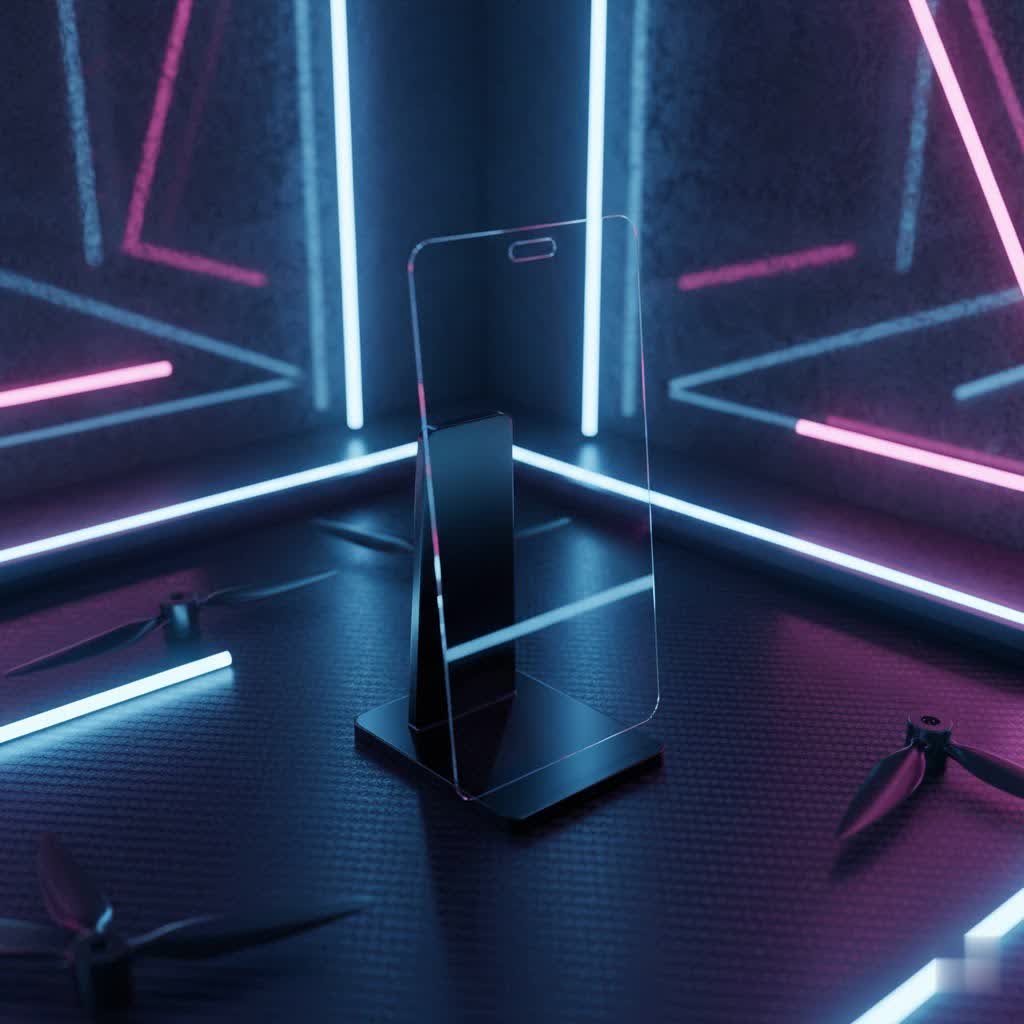
What Exactly is a Screen Protector?
At its core, a screen protector is a thin, transparent layer applied directly to your device’s display. Its primary purpose is to create a sacrificial barrier that absorbs scratches, scuffs, and impacts, preventing damage to the actual screen underneath. Think of it as an affordable insurance policy for your device’s most vulnerable part.
Why is a screen protector important? A screen protector acts as a critical first line of defense, significantly reducing the risk of costly screen repairs or replacements by taking the brunt of daily wear and accidental drops.
The Many Faces of Screen Protectors: Types and Materials
The world of screen protectors has evolved significantly, offering a range of materials, each with unique advantages and disadvantages. Choosing the right one depends heavily on your lifestyle, budget, and protection needs.
PET (Polyethylene Terephthalate) Film Protectors
These are often the most basic and affordable option. Made from a type of plastic, PET film protectors are lightweight, thin, and offer decent scratch resistance. They’re also relatively easy to apply.
- Pros: Very affordable, thin and lightweight, provides basic scratch protection, maintains high clarity.
- Cons: Offers minimal impact protection, prone to discoloration from sun exposure or oil buildup, can scratch easily compared to other types.
- Best for: Budget-conscious users, those needing protection from minor scuffs and scratches, or if you prefer a “barely there” feel.
|
Our Picks for the Best Screen Protector in 2026
As an Amazon Associate I earn from qualifying purchases.
|
||
| Num | Product | Action |
|---|---|---|
| 1 | ESR 3 Pack 9H+ Glass for iPhone 16 Pro Max Privacy Screen Protector, [Military Grade Shatterproof & Longest Durable] Armorite Anti-spy Tempered Glass with UltraFit Tray |
![Check ESR 3 Pack 9H+ Glass for iPhone 16 Pro Max Privacy Screen Protector, [Military Grade Shatterproof & Longest Durable] Armorite Anti-spy Tempered Glass with UltraFit Tray on Amazon](https://ppicm.com/wp-content/plugins/amazon-tables/assets/images/buy.png)
|
| 2 | ZAGG Glass+ Screen Protector for iPhone 15-3X Stronger with Reinforced Edges, Scratch & Smudge-Resistant Surface, InvisibleShield, Easy to Install |
|
| 3 | ESR 3 Pack 9H+ Glass for iPhone 16 Pro Max Screen Protector, [Military Grade Shatterproof & Longest Durable] Armorite Ultra-Tough Tempered Glass with UltraFit Tray |
|
| 4 | ESR 3 Pack for iPhone 16 / iPhone 15 Screen Protector, [9H Hardness] [Military Grade Shatterproof] Full Coverage Tempered Glass Film with Easy Installation Tool, HD Clear, Scratch Resistant |
|
| 5 | ESR Accessory Glass by Corning™ 3 Pack 9H+ Glass for iPhone 17 Pro Max Screen Protector, with AR Anti-Reflective Technology, Military Grade Shatterproof & Durable with UltraFit Tray |
|
| 6 | ESR 3 Pack for iPhone 16 / iPhone 15 Privacy Screen Protector, Anti-spy Tempered-Glass Privacy Screen Protector with Easy Installation Tool, Micro-Curved Edges, Case Friendly |
|
| 7 | ESR 3 Pack for iPhone 17 Pro Max Privacy Screen Protector, Military Grade Shatterproof, 9H Hardness, Anti-spy Tempered Glass with UltraFit Tray |
|
| 8 | ESR 3 Pack for iPhone 16 Pro Screen Protector, [9H Hardness] [Military Grade Shatterproof] Tempered Glass Film with Flawless Fit Tray, HD Clear, Scratch Resistant |
|
| 9 | ZAGG Glass+ Screen Protector for iPhone 16e/ 14/13/ 13 Pro - 3X Shatter Protection, High Scratch Resistance, Oil-Resistant, Reinforced Edges, InvisibleShield, Easy Install |
|
| 10 | ZAGG Glass+ Screen Protector for Phone 15 Pro - 3X Stronger with Reinforced Edges, Scratch & Smudge-Resistant Surface, InvisibleShield, Easy to Install |
|
TPU (Thermoplastic Polyurethane) Film Protectors
TPU is a flexible, rubbery plastic that boasts superior elasticity and impact absorption compared to PET. Many TPU protectors also feature “self-healing” properties, meaning minor scratches can disappear over time.
- Pros: Excellent impact protection (absorbs shock), self-healing capabilities for minor scratches, good clarity, flexible and can conform to curved screens.
- Cons: Can be trickier to install (often uses a “wet application” method), may have a slightly rubbery feel, can show orange peel texture, not as scratch-resistant as tempered glass.
- Best for: Users seeking good impact protection, especially for devices with curved displays, and those who don’t mind a slightly different feel.
Tempered Glass Screen Protectors
The most popular choice for robust protection, tempered glass protectors are made from hardened glass that has been heated and rapidly cooled. This process makes them significantly stronger than regular glass, offering superior scratch and impact resistance. They also provide a smooth, native screen feel.
- Pros: Superior scratch resistance (often 9H hardness), excellent impact protection (shatters itself to save your screen), maintains crystal-clear display, feels like your device’s original screen, generally easy to install.
- Cons: Can be thicker and heavier, less flexible, can crack under extreme point impact, higher cost than film protectors, some may not fully cover curved edges.
- Best for: Most users prioritizing maximum scratch and impact protection, those who want a premium feel, and anyone looking for an easy, bubble-free installation.
What is a ceramic screen protector? Ceramic screen protectors, often a hybrid of glass and ceramic elements, offer enhanced durability and flexibility compared to traditional tempered glass, providing superior shatter resistance without compromising on clarity.
Liquid Screen Protectors (Nano Coatings)
These aren’t traditional physical layers but rather a liquid solution applied to the screen that dries into an invisible, ultra-thin coating. They offer some scratch resistance and can enhance the oleophobic (fingerprint-resistant) properties of the screen.
- Pros: Completely invisible, no bubbles or alignment issues, can enhance existing screen properties, compatible with any device.
- Cons: Offers very limited impact protection, difficult to remove or replace, provides minimal scratch resistance, can be expensive for the protection offered.
- Best for: Users who prioritize an absolutely invisible solution and only need very basic scratch resistance, or those wanting to enhance their screen’s natural properties.
Advanced Screen Protectors: Ceramic and Privacy
Beyond the main categories, innovations continue. Ceramic screen protectors combine the best of glass and film, offering high impact resistance without the brittleness of tempered glass. Privacy screen protectors, often made from tempered glass, incorporate micro-louvre technology to restrict viewing angles, keeping your data safe from prying eyes. Anti-blue light filters and matte (anti-glare) finishes are also popular enhancements.
How to Choose the Right Screen Protector for Your Device
Selecting the perfect screen protector involves weighing several factors. It’s not a one-size-fits-all decision!
- Device Compatibility: This is paramount. Always choose a protector specifically designed for your phone model, ensuring proper fit for cameras, sensors, and speaker cutouts. Case compatibility is also key; some edge-to-edge protectors may lift if your case wraps too tightly around the screen.
- Protection Needs:
- Scratch Protection: If keys and coins in your pocket are the main threat, a good PET film or any tempered glass will suffice.
- Impact Protection: For butterfingers like me (and let’s be honest, who isn’t?), tempered glass or TPU offers superior drop protection.
- Feel and Clarity: Tempered glass offers the most “native” feel, while some TPU films can feel slightly rubbery. Matte finishes reduce glare but can slightly diffuse screen clarity.
- Special Features:
- Privacy: If you handle sensitive information in public, a privacy screen protector is a must.
- Anti-Glare: For heavy outdoor use, a matte finish can significantly improve visibility.
- Fingerprint Resistance: Look for an oleophobic coating to keep smudges at bay.
- Budget: Film protectors are the most economical, while high-end tempered glass or specialized protectors will cost more. Consider it an investment to avoid a much larger repair bill.
Which screen protector is best for gaming? For gaming, a thin tempered glass screen protector with an oleophobic coating is ideal as it maintains optimal touch sensitivity, provides a smooth glide, and resists fingerprints without compromising visual clarity.
Checklist for Choosing Your Screen Protector:
- ✅ Specific device model compatibility (including cutouts)
- ✅ Case compatibility (ensure no lifting)
- ✅ Desired hardness rating (9H for tempered glass is excellent)
- ✅ Impact vs. scratch protection priority
- ✅ Preferred feel (glass, smooth film, or slightly rubbery)
- ✅ Any special features needed (privacy, anti-glare, blue light filter)
- ✅ Installation method preference (dry, wet, with alignment tool)
“Choosing a screen protector isn’t just about covering your screen; it’s about matching the protection to your unique usage patterns and priorities,” says Dr. Evelyn Reed, a leading materials scientist specializing in consumer electronics at PPICM. “A robust tempered glass might be overkill for someone who rarely takes their phone out of the house, while a thin film won’t cut it for an adventurous user.”
The Art of Application: Installing Your Screen Protector Like a Pro
Even the best screen protector is useless if installed incorrectly. Bubbles, dust, and misalignment are common frustrations. Here’s how to achieve a flawless application:
Step-by-Step Guide for a Bubble-Free Installation:
- Prepare Your Environment: Find a clean, dust-free area, ideally a bathroom after a hot shower (the steam helps settle dust). Turn off fans and close windows.
- Gather Your Tools: Most screen protectors come with an installation kit: microfiber cloth, alcohol wipe, dust removal sticker, and sometimes an alignment frame or squeegee. Have clear tape handy.
- Wash Your Hands: This prevents transferring oils and fingerprints to your screen or the protector.
- Clean Your Screen Meticulously:
- Use the alcohol wipe to remove all oils and grime.
- Wipe thoroughly with the microfiber cloth until dry and streak-free.
- Crucially, use the dust removal sticker to dab every inch of the screen, picking up any lingering dust particles. This is the most important step for avoiding bubbles.
- Align the Protector:
- Without removing any adhesive backing, carefully place the screen protector on your device to visualize the alignment. Pay attention to edges, cutouts, and sensors.
- If your kit includes an alignment frame, attach it to your device now.
- For film protectors, you might use the “hinge method” with tape to create a guide.
- Apply the Protector:
- Working in your dust-free zone, carefully peel off the protective film from the adhesive side of the screen protector. Avoid touching the adhesive.
- Slowly lower the protector onto your clean, aligned screen. For tempered glass, often just placing it down will start the adhesion process from the center. For film, use a squeegee to push it down from one end to the other.
- Remove Air Bubbles:
- For tempered glass, smaller bubbles usually disappear on their own as the adhesive settles. For larger bubbles or trapped air, gently push them towards the edges with your finger wrapped in a microfiber cloth or the provided squeegee. Work from the center outwards.
- For film protectors, use the squeegee to push out any bubbles.
- Final Touches: Gently wipe the screen protector’s surface with the microfiber cloth.
How to install a screen protector without bubbles? The key to a bubble-free installation lies in meticulous screen cleaning in a dust-free environment and using the provided dust removal stickers just before application, followed by careful alignment and slow, steady placement.
Troubleshooting Common Screen Protector Installation Issues
Even with the best preparation, sometimes things go awry.
- Trapped Dust: If you see a speck of dust causing a bubble, gently lift the nearest corner of the protector with a piece of tape. Use another piece of tape to dab the underside of the protector or the screen to pick up the dust, then slowly re-adhere.
- Persistent Bubbles: Small bubbles often disappear within 24-48 hours as the adhesive cures. For larger, stubborn bubbles without dust, try gently lifting the edge closest to the bubble and reapplying, pushing the air out.
- Misalignment: If the protector is significantly crooked, you might need to remove it completely. For tempered glass, this can be tricky and may damage the protector. For film, you can sometimes lift and reapply carefully, but repeatedly doing so can introduce dust or weaken the adhesive.
Extending the Life of Your Screen Protector: Maintenance Tips
Your screen protector works hard for you, so give it a little love! Proper maintenance prolongs its lifespan and keeps your screen looking sharp.
- Regular Cleaning: Wipe your screen protector daily with a soft, lint-free microfiber cloth to remove fingerprints and smudges.
- Gentle Cleaning Solutions: For stubborn grime, lightly dampen your microfiber cloth with distilled water or a cleaning solution specifically designed for electronics. Avoid harsh chemicals like alcohol (unless explicitly stated as safe for your protector type), ammonia-based cleaners, or abrasive materials (like paper towels) as they can strip coatings or damage the material.
- Avoid Sharp Objects: Even with a tough screen protector, it’s best to avoid placing your device directly with keys, coins, or other sharp objects in your pocket or bag. A good case can help here too.
- Replace When Necessary: Screen protectors are sacrificial. If yours develops significant scratches, cracks, or loses its adhesive properties, it’s done its job and should be replaced to ensure continued optimal protection for your device.
The PPICM Perspective: Why a Quality Screen Protector Matters
At PPICM, we are dedicated to providing you with the most reliable and professional insights into device protection. We’ve seen firsthand how a small investment in a quality screen protector can save hundreds in repair costs and preserve the resale value of your device. Beyond just preventing damage, a well-chosen screen protector can enhance your user experience, whether it’s by reducing glare, providing privacy, or maintaining pristine touch sensitivity. We stand by the belief that informed choices lead to confident usage.
Frequently Asked Questions
Q: Are screen protectors really necessary with modern smartphone glass?
A: Yes, absolutely. While modern smartphone glass is highly durable against drops, it’s still susceptible to micro-scratches from everyday items like keys or even dust, which a screen protector effectively guards against, preserving your original display.
Q: How long do screen protectors last?
A: The lifespan varies greatly by type and usage. Film protectors might last a few months, while tempered glass can last a year or more, often until it takes a significant impact that causes it to crack and needs replacing.
Q: Can I reuse a screen protector?
A: Generally, no. Once removed, the adhesive on most screen protectors, especially tempered glass, loses its effectiveness and can easily pick up dust, making reapplication difficult and often resulting in bubbles or reduced adhesion.
Q: Do screen protectors affect touch sensitivity?
A: High-quality screen protectors, particularly tempered glass, are designed to maintain optimal touch sensitivity. Cheaper, thicker, or poorly applied protectors, especially some film types, might slightly reduce responsiveness.
Q: What’s the difference between film and glass screen protectors?
A: Film protectors (PET, TPU) are thinner, more flexible, and primarily offer scratch protection, with TPU providing some impact absorption. Glass protectors are rigid, thicker, and offer superior scratch and impact resistance with a premium feel.
Final Thoughts: Invest in Protection, Enjoy Your Device
In the fast-paced world of technology, protecting your devices is more important than ever. A screen protector isn’t just an accessory; it’s a vital shield that safeguards your investment, maintains your device’s aesthetic, and ensures an unhindered user experience. By understanding the different types, choosing wisely, applying correctly, and maintaining properly, you empower yourself to keep your screens pristine for years to come. Visit PPICM for more expert advice and to explore our curated selection of high-quality screen protectors, because when it comes to your device, its most important asset deserves the best defense.
