Your iPhone 13 is more than just a phone; it’s a powerful tool, a personal assistant, and a window to your world. It represents a significant investment, and like any valuable asset, it deserves the best protection. While Apple’s Ceramic Shield offers impressive durability, relying solely on it is like driving a luxury car without insurance. For comprehensive safeguarding against the inevitable bumps and scratches of daily life, an Iphone 13 Screen Protector is an absolute must-have. Here at PPICM.com, with over a decade of hands-on experience, we’re dedicated to helping you navigate the world of screen protection with confidence, ensuring your device remains pristine.
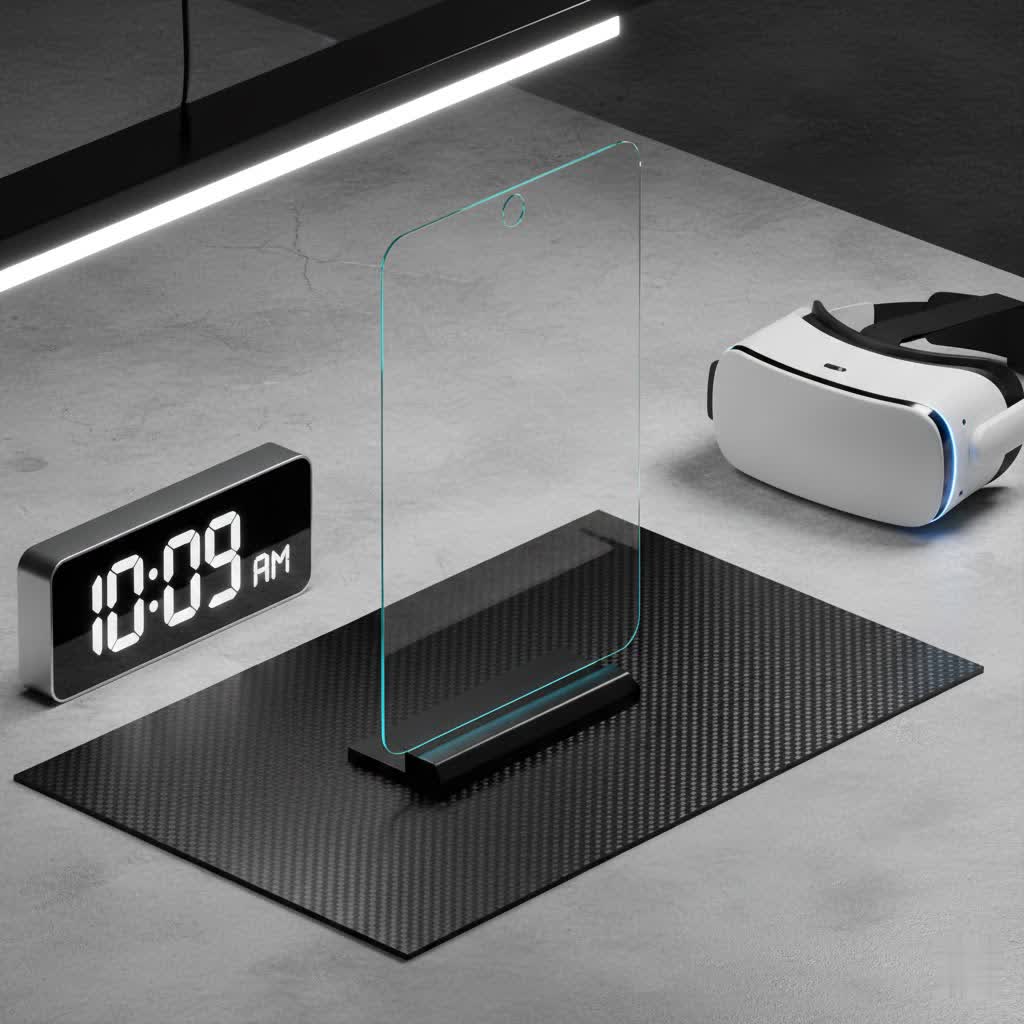
Why Your iPhone 13 Still Needs a Screen Protector (Beyond Ceramic Shield)
Apple proudly introduced the Ceramic Shield with the iPhone 12 series, carrying it forward to the iPhone 13. This innovative technology embeds ceramic nano-crystals within the glass, making it significantly tougher – up to four times more resistant to drops than previous iPhone screens. It’s designed to withstand considerable impact and reduce the risk of shattering from everyday falls.
However, it’s crucial to understand that “tougher” doesn’t mean “invincible.” The Ceramic Shield, while highly resistant to drops, is still vulnerable to scratches from keys, coins, sand, or other abrasive materials often found in pockets and bags. Hairline scratches can accumulate over time, degrading your viewing experience and resale value. Moreover, extreme impacts can still cause cracks, and a screen protector acts as a sacrificial layer, absorbing the force and protecting your original display. Think of it as an extra layer of armor for your iPhone 13, offering peace of mind where the Ceramic Shield might reach its limits.
Demystifying Screen Protector Types for Your iPhone 13
Choosing the right screen protector for your iPhone 13 involves understanding the different materials and technologies available. Each type offers a unique blend of protection, feel, and features.
Tempered Glass: The Gold Standard
|
Our Picks for the Best Screen Protector in 2026
As an Amazon Associate I earn from qualifying purchases.
|
||
| Num | Product | Action |
|---|---|---|
| 1 | ZAGG Glass+ Screen Protector for Phone 15 Pro - 3X Stronger with Reinforced Edges, Scratch & Smudge-Resistant Surface, InvisibleShield, Easy to Install |

|
| 2 | ESR Accessory Glass by Corning™ 3 Pack 9H+ Glass for iPhone 17 Pro Max Screen Protector, with AR Anti-Reflective Technology, Military Grade Shatterproof & Durable with UltraFit Tray |
|
| 3 | ZAGG Glass+ Screen Protector for iPhone 16e/ 14/13/ 13 Pro - 3X Shatter Protection, High Scratch Resistance, Oil-Resistant, Reinforced Edges, InvisibleShield, Easy Install |
|
| 4 | ZAGG Glass+ Screen Protector for iPhone 15-3X Stronger with Reinforced Edges, Scratch & Smudge-Resistant Surface, InvisibleShield, Easy to Install |
|
| 5 | ESR 3 Pack for iPhone 16 / iPhone 15 Privacy Screen Protector, Anti-spy Tempered-Glass Privacy Screen Protector with Easy Installation Tool, Micro-Curved Edges, Case Friendly |
|
| 6 | ESR 3 Pack for iPhone 16 Pro Screen Protector, [9H Hardness] [Military Grade Shatterproof] Tempered Glass Film with Flawless Fit Tray, HD Clear, Scratch Resistant |
|
| 7 | ESR 3 Pack for iPhone 17 Pro Max Privacy Screen Protector, Military Grade Shatterproof, 9H Hardness, Anti-spy Tempered Glass with UltraFit Tray |
|
| 8 | ESR 3 Pack 9H+ Glass for iPhone 16 Pro Max Privacy Screen Protector, [Military Grade Shatterproof & Longest Durable] Armorite Anti-spy Tempered Glass with UltraFit Tray |
|
| 9 | ESR 3 Pack for iPhone 16 / iPhone 15 Screen Protector, [9H Hardness] [Military Grade Shatterproof] Full Coverage Tempered Glass Film with Easy Installation Tool, HD Clear, Scratch Resistant |
|
| 10 | ESR 3 Pack 9H+ Glass for iPhone 16 Pro Max Screen Protector, [Military Grade Shatterproof & Longest Durable] Armorite Ultra-Tough Tempered Glass with UltraFit Tray |
|
Tempered glass screen protectors are by far the most popular and recommended choice for iPhone 13 users. They are crafted from specially processed glass that has been heated and rapidly cooled, making them incredibly hard and resistant to scratches and impacts. With a typical 9H hardness rating (on the Mohs scale, similar to sapphire), they offer superior protection against sharp objects and direct impacts.
These protectors provide crystal-clear optical clarity, ensuring your iPhone 13’s vibrant display remains unaffected. They also boast an incredibly smooth, glass-like touch sensitivity that feels almost identical to your phone’s original screen. Many come with an oleophobic coating, a fancy term for an oil-repellent layer that reduces fingerprints and smudges, making your screen easier to clean. Furthermore, high-quality tempered glass options often include installation frames, making the application process remarkably straightforward and bubble-free. While they can shatter upon severe impact, they do so by absorbing the shock, protecting your actual iPhone screen underneath.
“In our lab tests at PPICM, tempered glass consistently outperforms other materials in real-world drop and scratch simulations. It’s the closest you’ll get to invisible, yet robust, protection,” says Dr. An H. Nguyen, Lead Materials Scientist at PPICM Labs.
Plastic (PET/TPU): Flexible and Affordable
Before tempered glass dominated the market, plastic screen protectors were the norm. They typically come in two main forms:
- PET (Polyethylene Terephthalate): These are thin, flexible plastic films. They offer basic scratch protection against minor abrasions and scuffs. PET protectors are very affordable and easy to apply, but they provide minimal impact resistance and can show scratches easily.
- TPU (Thermoplastic Polyurethane): A more advanced plastic, TPU is also flexible but offers better impact absorption than PET. Many TPU protectors boast “self-healing” properties, meaning minor scratches can disappear over time. They are generally thinner than glass, but their texture can sometimes feel slightly rubbery or grippy, which some users might find less desirable than the slick feel of glass.
While both PET and TPU are light and don’t add bulk, they fall short of tempered glass in terms of high-level impact and scratch defense. They are a good budget-friendly option for those primarily concerned with minor surface damage.
Hybrid Protectors: Blending the Best
Hybrid screen protectors attempt to combine the best attributes of both tempered glass and plastic. These materials typically feature multiple layers, often incorporating a flexible plastic base with a hard, glass-like top layer. The goal is to offer the impact absorption and flexibility of plastic while maintaining a significant degree of scratch resistance and a smoother feel closer to glass. They strike a middle ground, providing enhanced protection compared to basic plastic films without the full rigidity of tempered glass.
Specialty Screen Protectors: More Than Just Protection
Beyond basic defense, several specialized iPhone 13 screen protector types cater to specific needs:
- Privacy Screens: These protectors incorporate a micro-louver technology that limits the viewing angle of your screen. When viewed from the side, the screen appears dark, preventing onlookers from peeking at your sensitive information. They’re perfect for commuters or anyone who values discretion.
- Anti-Blue Light Screens: Designed to filter out harmful blue light emitted from your iPhone’s display, these protectors aim to reduce eye strain, especially during prolonged use, and potentially improve sleep quality by minimizing interference with your body’s natural circadian rhythm.
- Matte Screens: Offering an anti-glare finish, matte screen protectors are excellent for outdoor use or in brightly lit environments, significantly reducing reflections. They also often provide a unique, smooth, almost paper-like tactile feel, which can be pleasant for some users. However, the matte texture can sometimes introduce a slight “graininess” or mild reduction in display sharpness.
Choosing the Perfect iPhone 13 Screen Protector: A Comprehensive Checklist
With so many options, how do you pick the right iPhone 13 screen protector for you? Consider these factors:
- Compatibility: This is non-negotiable. Ensure the screen protector is specifically designed for your exact model: iPhone 13, iPhone 13 Pro, or iPhone 13 Pro Max. Screen sizes and notch designs vary, and a perfect fit is crucial for optimal protection and functionality.
- Protection Level: For maximum defense against drops and scratches, tempered glass is the clear winner. If you’re prone to frequently dropping your phone, investing in a high-quality tempered glass protector with a good hardness rating (e.g., 9H) is paramount.
- Desired Features: Do you need privacy from prying eyes? Are you concerned about eye strain from blue light? Or perhaps glare from the sun? Choose specialty protectors if these features are important to you.
- Installation Ease: Look for screen protectors that come with alignment frames or detailed, easy-to-follow instructions. Many premium brands include comprehensive kits with all the necessary tools for a bubble-free installation.
- Clarity & Touch Sensitivity: A good screen protector should be virtually invisible, preserving your iPhone 13’s stunning display quality and maintaining 100% touch responsiveness, including Face ID functionality. Tempered glass generally excels in this area.
- Budget: While you shouldn’t compromise on protection, there’s a range of prices. Tempered glass is usually more expensive than plastic, but the investment often pays off by preventing costly screen repairs.
Flawless Application: Your Step-by-Step iPhone 13 Screen Protector Installation Guide
Even the best iPhone 13 screen protector is useless if not applied correctly. A smooth, bubble-free installation is key to both protection and aesthetics.
What You’ll Need
Most quality screen protector kits come with:
- The screen protector(s)
- Alcohol wet wipe
- Microfiber cloth
- Dust absorber sticker(s)
- Squeegee or bubble removal card
- An alignment frame (highly recommended for tempered glass)
The Installation Process
- Preparation is Key: Find a clean, dust-free environment. A bathroom after a hot shower can work wonders, as the steam helps settle airborne dust. Wash your hands thoroughly.
- Clean Your Screen: Use the provided alcohol wet wipe to thoroughly clean your iPhone 13’s screen, removing all oils, smudges, and dirt. Immediately follow up with the microfiber cloth to dry and buff the screen until it’s sparkling clean.
- Remove Any Dust: This is a critical step. Use the dust absorber sticker to meticulously dab every square inch of your iPhone’s screen. Even a tiny speck of dust will create a noticeable bubble. Work quickly but carefully.
- Align the Protector: If your kit includes an alignment frame, attach it securely to your iPhone 13. This frame guides the screen protector into the perfect position, minimizing misalignment errors. Peel off the adhesive backing from the screen protector.
- Apply and Smooth Out: Gently lower the screen protector onto your iPhone’s screen, guiding it with the alignment frame if present. As the protector makes contact, you’ll often see the adhesive spread automatically. Use your fingers to gently press down from the center outwards, or use the provided squeegee to push out any initial air bubbles towards the edges.
- Remove Stubborn Bubbles: For any remaining small bubbles, use the squeegee to push them firmly towards the nearest edge. If a bubble is particularly stubborn, you can sometimes gently lift the nearest corner of the screen protector slightly (using the edge of your nail, being careful not to touch the adhesive), push the air out, and then re-adhere it.
With patience and precision, you’ll achieve a flawless, almost invisible shield for your iPhone 13.
Troubleshooting Common Screen Protector Issues
Even with careful application, issues can arise. Here’s how to tackle them:
- Bubbles: Most small bubbles will disappear on their own within 24-48 hours. For larger, persistent bubbles, try gently lifting the closest edge of the protector with your fingernail (or a piece of tape) and then re-squeegee from the center outwards.
- Dust Under the Protector: This is the most common and frustrating issue. Prevention is best (clean environment). If dust is trapped, carefully lift the protector near the dust particle using a piece of tape. Use another piece of tape to gently dab the dust off the adhesive side of the protector and the iPhone screen, then reapply. Be aware that this can introduce more dust if not done carefully.
- Misalignment: If the screen protector is significantly crooked, it might interfere with your camera or sensors. If it’s severely off, it might be best to carefully remove it and try with a new protector from your kit (many come with multiples). Alignment frames are invaluable for preventing this.
Extending the Life of Your iPhone 13 Screen Protector
A screen protector is an investment in your iPhone 13’s longevity. Maximize its lifespan with these simple maintenance tips:
- Regular Cleaning: Use a soft, lint-free microfiber cloth to gently wipe your screen protector daily, removing fingerprints and smudges. For tougher grime, a screen cleaner spray designed for electronics can be used sparingly.
- Avoid Harsh Chemicals: Never use abrasive cleaners, window cleaner, or harsh solvents on your screen protector, as these can damage the oleophobic coating or the material itself.
- Pair with a Quality Case: A good phone case, especially one with raised edges around the screen, provides additional drop protection and helps shield the edges of your screen protector from accidental impacts, preventing chipping or peeling.
- Replace When Damaged: Once your screen protector takes a significant hit, cracks, or develops deep scratches, its protective capabilities are compromised. Don’t wait; replace it immediately to ensure your iPhone 13’s display remains fully protected.
Frequently Asked Questions
Q: Is the iPhone 13 Ceramic Shield strong enough without a screen protector?
A: While the iPhone 13’s Ceramic Shield is incredibly durable and highly resistant to drops, it is still vulnerable to scratches and can crack under extreme impact. A high-quality iPhone 13 screen protector acts as a crucial sacrificial layer, providing essential additional protection against everyday wear and tear and severe damage.
Q: How do I remove tiny bubbles from my iPhone 13 screen protector?
A: For tiny bubbles, often they will dissipate on their own within 24-48 hours. You can try gently pressing them towards the nearest edge with a squeegee or a credit card wrapped in a microfiber cloth. If a bubble is caused by dust, you may need to carefully lift the edge of the protector and use a dust-removal sticker to remove the particle, then reapply.
Q: Which is better: tempered glass or plastic for iPhone 13?
A: For superior scratch resistance, impact protection, and a premium feel, tempered glass is generally considered much better for your iPhone 13. Plastic protectors are more affordable and flexible, offering basic scratch defense, but they lack the robust protection and smooth touch of tempered glass.
Q: Can I reuse an iPhone 13 screen protector?
A: Generally, no. Screen protectors, especially tempered glass, are designed for a single application. Removing them often damages the adhesive, making reapplication difficult and ineffective, potentially leaving behind dust and bubbles.
Q: Does an iPhone 13 screen protector affect touch sensitivity or Face ID?
A: High-quality iPhone 13 screen protectors are specifically engineered to be thin and optically clear, ensuring they do not interfere with your device’s touch sensitivity or the functionality of Face ID. Always choose reputable brands to guarantee seamless performance.
Conclusion
Protecting your iPhone 13 with a quality screen protector isn’t just an accessory; it’s a wise investment in your device’s longevity and your peace of mind. By understanding the different types available, making an informed choice, and applying it correctly, you can safeguard your precious display from the rigors of daily use. Don’t let scratches or cracks diminish your iPhone 13 experience. Head over to ppicm.com for more expert insights and ensure your device enjoys the protection it truly deserves. Protect your investment, extend its life, and keep your screen looking flawless – because your iPhone 13 screen protector is more than just a barrier; it’s a shield against the unexpected.
