As a seasoned veteran with over a decade in the screen protection industry, and your trusted guide here at ppicm.com, I’ve seen countless innovations and, let’s be honest, a fair share of mishaps when it comes to keeping our beloved gadgets safe. Your tablet, a window to your digital world, deserves the best defense against scratches, smudges, and those dreaded drops. That’s why understanding the ins and outs of a quality Tablet Screen Protector isn’t just a recommendation; it’s an essential investment. It’s about preserving your tablet’s pristine display, ensuring longevity, and maintaining its resale value. Let’s dive deep into making an informed choice and getting that perfect, bubble-free application.
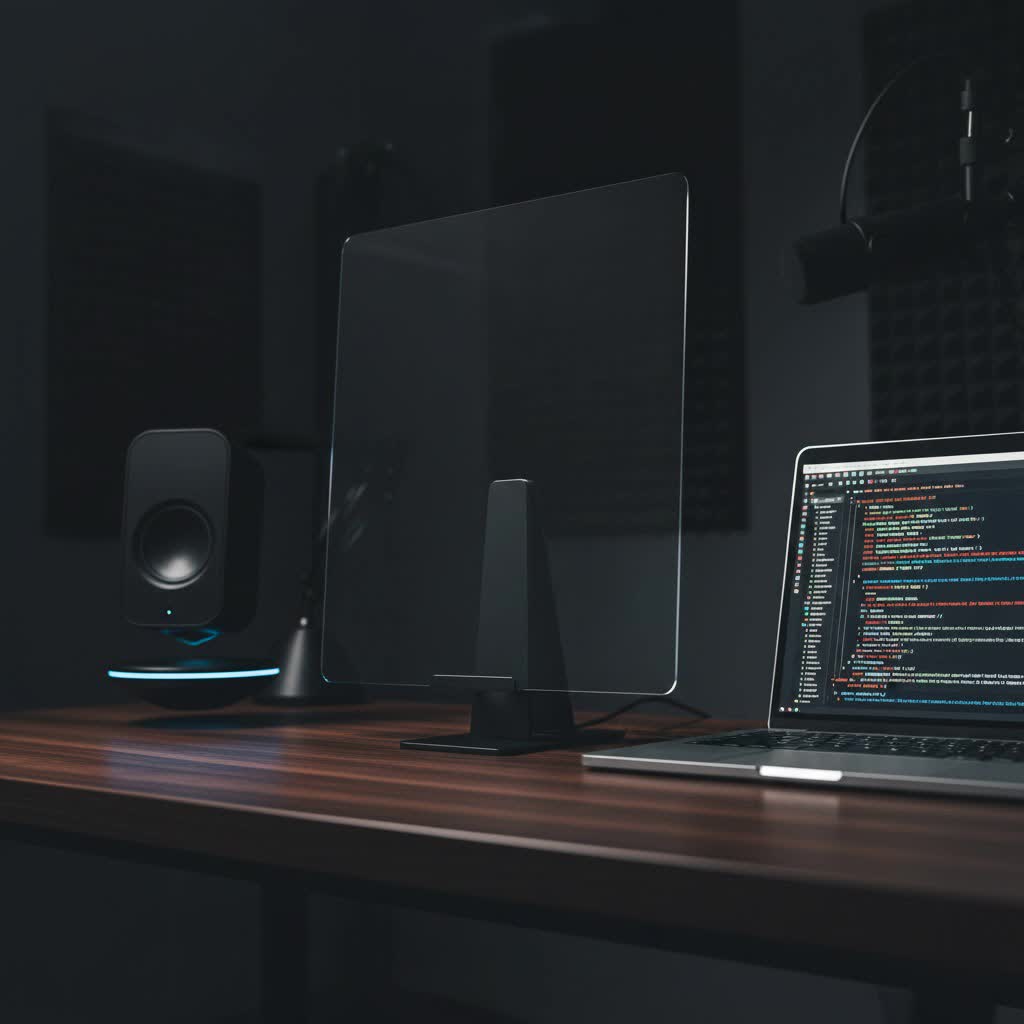
Why is a Tablet Screen Protector So Important?
You might wonder, “Aren’t modern tablet screens tough enough on their own?” It’s a valid question. While today’s tablets often boast impressive durability, they’re not invincible. A dedicated tablet screen protector acts as a sacrificial layer, absorbing the impact from keys in your bag, accidental falls, or even just the daily grind of fingerprints and grease. Think of it as an insurance policy for your most interactive component. Without one, a single scratch can forever mar your viewing experience, distracting you from your favorite content or crucial work.
What are the Common Types of Tablet Screen Protectors?
|
Our Picks for the Best Screen Protector in 2026
As an Amazon Associate I earn from qualifying purchases.
|
||
| Num | Product | Action |
|---|---|---|
| 1 | ESR 3 Pack for iPhone 16 / iPhone 15 Privacy Screen Protector, Anti-spy Tempered-Glass Privacy Screen Protector with Easy Installation Tool, Micro-Curved Edges, Case Friendly |

|
| 2 | ZAGG Glass+ Screen Protector for iPhone 16e/ 14/13/ 13 Pro - 3X Shatter Protection, High Scratch Resistance, Oil-Resistant, Reinforced Edges, InvisibleShield, Easy Install |
|
| 3 | ESR 3 Pack for iPhone 16 / iPhone 15 Screen Protector, [9H Hardness] [Military Grade Shatterproof] Full Coverage Tempered Glass Film with Easy Installation Tool, HD Clear, Scratch Resistant |
|
| 4 | ESR 3 Pack 9H+ Glass for iPhone 16 Pro Max Privacy Screen Protector, [Military Grade Shatterproof & Longest Durable] Armorite Anti-spy Tempered Glass with UltraFit Tray |
|
| 5 | ZAGG Glass+ Screen Protector for Phone 15 Pro - 3X Stronger with Reinforced Edges, Scratch & Smudge-Resistant Surface, InvisibleShield, Easy to Install |
|
| 6 | ESR 3 Pack for iPhone 16 Pro Screen Protector, [9H Hardness] [Military Grade Shatterproof] Tempered Glass Film with Flawless Fit Tray, HD Clear, Scratch Resistant |
|
| 7 | ESR Accessory Glass by Corning™ 3 Pack 9H+ Glass for iPhone 17 Pro Max Screen Protector, with AR Anti-Reflective Technology, Military Grade Shatterproof & Durable with UltraFit Tray |
|
| 8 | ESR 3 Pack 9H+ Glass for iPhone 16 Pro Max Screen Protector, [Military Grade Shatterproof & Longest Durable] Armorite Ultra-Tough Tempered Glass with UltraFit Tray |
|
| 9 | ZAGG Glass+ Screen Protector for iPhone 15-3X Stronger with Reinforced Edges, Scratch & Smudge-Resistant Surface, InvisibleShield, Easy to Install |
|
| 10 | ESR 3 Pack for iPhone 17 Pro Max Privacy Screen Protector, Military Grade Shatterproof, 9H Hardness, Anti-spy Tempered Glass with UltraFit Tray |
|
The market is flooded with options, and navigating them can feel like a maze. Let’s break down the most popular types you’ll encounter, each with its own set of characteristics.
PET (Polyethylene Terephthalate) Protectors
What is a PET tablet screen protector?
PET screen protectors are essentially thin, clear plastic films, often the most budget-friendly option available. They offer basic scratch resistance and a smooth surface.
PET protectors are lightweight and can provide a decent level of protection against minor scuffs and scratches. They are generally easy to apply and remove, making them a good entry-level choice for basic defense. However, they lack the impact absorption of other materials.
TPU (Thermoplastic Polyurethane) Protectors
Why choose a TPU tablet screen protector?
TPU screen protectors are more flexible and “rubbery” than PET. They are known for their self-healing properties and superior impact absorption compared to their plastic counterparts.
TPU protectors excel at cushioning impacts and often have a unique ability to “heal” minor scratches over time, making them appear smoother. Their flexibility allows for better coverage on curved screens, though their application can sometimes be more challenging.
Tempered Glass Protectors
What makes a tempered glass tablet screen protector superior?
Tempered glass protectors are made from multiple layers of treated glass, designed to shatter into small, blunt pieces upon impact, protecting the original screen from breaking.
These are often considered the gold standard for screen protection. Tempered glass provides excellent scratch resistance, a premium feel that mimics the original screen, and superior impact protection. They are rigid, easy to clean, and usually boast high optical clarity.
Comparing the Pros and Cons: Which Screen Protector Suits You?
Understanding the strengths and weaknesses of each type is key to making the right decision for your specific needs.
| Feature | PET Screen Protector | TPU Screen Protector | Tempered Glass Protector |
|---|---|---|---|
| Scratch Resistance | Basic | Good, self-healing for minor scratches | Excellent |
| Impact Protection | Low | Moderate to High | Very High |
| Feel/Clarity | Smooth, sometimes slightly cloudy | Grippy, rubbery feel, high clarity | Smooth, glass-like, high clarity |
| Application | Easiest | Can be tricky | Relatively easy |
| Durability | Low, wears out fastest | Moderate | High, but can shatter |
| Cost | Lowest | Moderate | Highest |
Choosing the right tablet screen protector often comes down to balancing protection needs with budget and personal preference. For robust protection against drops, tempered glass is hard to beat. If you prioritize flexibility and self-healing, TPU is an excellent choice.
How to Select the Perfect Tablet Screen Protector
With the types understood, let’s refine your selection process.
- Consider your usage: Are you an artist frequently using a stylus? A tempered glass with an oleophobic coating might be best. Do your kids use the tablet for games? TPU’s impact absorption could be a lifesaver.
- Check for compatibility: Always ensure the protector is specifically designed for your tablet model. “One size fits all” is a myth in screen protection.
- Look for features: Do you need anti-glare for outdoor use? Privacy features for sensitive work? An oleophobic (fingerprint-resistant) coating? These specialized features can significantly enhance your experience.
- Read reviews: While I’m biased towards ppicm.com’s offerings, independent reviews can offer valuable insights into a product’s real-world performance and ease of installation.
“Choosing a tablet screen protector isn’t just about price; it’s about matching the protection level to your lifestyle and how you use your device,” advises Dr. Eleanor Vance, a leading Tech Analyst at ppicm.com. “A small investment upfront can save you hundreds in screen repair costs later.”
Mastering the Application: Installing Your Tablet Screen Protector Like a Pro
Even the best tablet screen protector is only as good as its installation. Bubbles, dust, and misalignment can ruin the experience. Follow these steps for a flawless finish.
Step-by-Step Installation Guide
- Prepare your workspace: Find a dust-free environment, ideally a bathroom after a hot shower (the steam helps settle dust). Wash your hands thoroughly.
- Clean the tablet screen meticulously: Use an alcohol wipe (usually included) to remove all oils and grime. Follow up with a microfiber cloth to polish it until it’s spotless.
- Use dust removal stickers: These small stickers are your best friends. Gently dab the entire screen surface to lift any remaining dust particles. Don’t skip this!
- Align the protector: Carefully peel back a small corner of the protector’s backing. Position the protector over your tablet screen, aligning it perfectly with the edges, camera cutouts, and buttons. Take your time!
- Apply gradually: Once aligned, slowly lower the protector onto the screen. Many protectors adhere automatically from one edge.
- Smooth out bubbles: Use a squeegee (often provided) or a credit card wrapped in a microfiber cloth to gently push out any air bubbles towards the edges. Start from the center and work your way out.
- Remove the top layer (if applicable): Some protectors have a protective film on top. Carefully peel it off once the main protector is fully adhered.
Common Installation Mistakes and How to Fix Them
Don’t panic if things don’t go perfectly the first time. Here’s how to troubleshoot common issues:
- Bubbles with dust inside: If you see a bubble with a tiny speck of dust, gently lift the nearest edge of the protector with a piece of tape. Use another piece of tape to dab the dust speck off the screen and then carefully re-lower the protector.
- Persistent air bubbles: If bubbles remain without dust, use your squeegee to push them firmly towards the nearest edge. Sometimes, very small bubbles will dissipate on their own over 24-48 hours.
- Misalignment: If the protector is significantly crooked, it’s best to carefully peel it off entirely and try again from step 4, making sure to clean the screen once more.
Maintaining Your Tablet Screen Protector for Lasting Clarity
Even after a perfect installation, proper care will extend the life and effectiveness of your tablet screen protector.
How to Best Maintain Your Screen Protector
- Clean regularly: Use a soft, lint-free microfiber cloth to gently wipe your screen. For tougher smudges, dampen the cloth slightly with water or a screen-specific cleaner. Avoid harsh chemicals.
- Avoid sharp objects: While a protector offers defense, extreme pressure from keys or pens can still cause damage.
- Replace when needed: If your protector develops significant scratches, cracks, or peels at the edges, it’s doing its job by sacrificing itself. Replace it to ensure your actual screen remains protected.
Frequently Asked Questions About Tablet Screen Protectors
Choosing and applying a tablet screen protector can bring up a lot of questions. Here are some of the most common ones we hear at ppicm.com:
Q: Do screen protectors reduce screen sensitivity?
A: High-quality tempered glass and TPU screen protectors are designed to be extremely thin and transparent, minimizing any impact on touch sensitivity or screen responsiveness. Cheaper, thicker plastic films might, but good ones shouldn’t.
Q: Can I reuse a tablet screen protector?
A: Generally, no. Once removed, a screen protector, especially tempered glass, can lose its adhesive properties and may attract dust, making reinstallation difficult and often leading to bubbles.
Q: Are anti-glare screen protectors worth it?
A: Anti-glare (matte) screen protectors can be very useful for reducing reflections and fingerprints, especially if you use your tablet outdoors or in brightly lit environments. However, they can sometimes slightly reduce screen clarity or sharpness.
Q: How often should I replace my tablet screen protector?
A: The lifespan of a tablet screen protector varies depending on usage and material. Replace it when it shows significant scratches, cracks, or peeling, as these indicate it’s no longer providing optimal protection to your tablet’s display.
Q: What’s the difference between 9H hardness and other ratings?
A: 9H hardness refers to the Mohs scale of mineral hardness, specifically indicating resistance to scratches from a 9H pencil. This rating is commonly associated with tempered glass protectors, denoting high resistance to sharp objects.
Q: Can a screen protector protect against a cracked screen?
A: While no tablet screen protector can guarantee 100% immunity from all damage, tempered glass protectors are highly effective at absorbing impact and distributing force, significantly reducing the likelihood of your actual tablet screen cracking during a fall.
Final Thoughts on Tablet Screen Protectors
Your tablet is more than just a device; it’s an integral part of your daily life, connecting you to work, entertainment, and loved ones. Protecting its display with a high-quality tablet screen protector is a simple yet profoundly effective way to ensure it remains functional, beautiful, and valuable for years to come. By understanding the types, mastering the installation, and committing to proper maintenance, you’re not just buying a piece of film or glass; you’re investing in peace of mind. So go ahead, give your tablet the defense it deserves, and enjoy that crystal-clear view, knowing ppicm.com has armed you with the expertise to make the best choice.
