Let’s face it, your iPad Air is more than just a tablet; it’s your creative studio, your entertainment hub, and often, your mobile office. Protecting its stunning display is paramount, and that’s where a high-quality Ipad Air Screen Protector comes into play. As someone who has spent over a decade immersed in the world of screen protection at PPICM.com, I’ve seen countless innovations and, unfortunately, just as many preventable screen mishaps. This guide will walk you through everything you need to know, helping you make an informed decision and keep your iPad Air looking pristine.
Understanding Your Options: Types of iPad Air Screen Protectors
Choosing a screen protector isn’t a one-size-fits-all endeavor. The market offers a variety of materials, each with unique advantages and trade-offs. Let’s break down the most popular types you’ll encounter.
Tempered Glass Screen Protectors
|
Our Picks for the Best Screen Protector in 2026
As an Amazon Associate I earn from qualifying purchases.
|
||
| Num | Product | Action |
|---|---|---|
| 1 | ESR 3 Pack for iPhone 16 / iPhone 15 Privacy Screen Protector, Anti-spy Tempered-Glass Privacy Screen Protector with Easy Installation Tool, Micro-Curved Edges, Case Friendly |

|
| 2 | ESR 3 Pack for iPhone 16 / iPhone 15 Screen Protector, [9H Hardness] [Military Grade Shatterproof] Full Coverage Tempered Glass Film with Easy Installation Tool, HD Clear, Scratch Resistant |
|
| 3 | ESR 3 Pack for iPhone 16 Pro Screen Protector, [9H Hardness] [Military Grade Shatterproof] Tempered Glass Film with Flawless Fit Tray, HD Clear, Scratch Resistant |
|
| 4 | ESR Accessory Glass by Corning™ 3 Pack 9H+ Glass for iPhone 17 Pro Max Screen Protector, with AR Anti-Reflective Technology, Military Grade Shatterproof & Durable with UltraFit Tray |
|
| 5 | ESR 3 Pack 9H+ Glass for iPhone 16 Pro Max Screen Protector, [Military Grade Shatterproof & Longest Durable] Armorite Ultra-Tough Tempered Glass with UltraFit Tray |
|
| 6 | ZAGG Glass+ Screen Protector for iPhone 16e/ 14/13/ 13 Pro - 3X Shatter Protection, High Scratch Resistance, Oil-Resistant, Reinforced Edges, InvisibleShield, Easy Install |
|
| 7 | ZAGG Glass+ Screen Protector for iPhone 15-3X Stronger with Reinforced Edges, Scratch & Smudge-Resistant Surface, InvisibleShield, Easy to Install |
|
| 8 | ESR 3 Pack 9H+ Glass for iPhone 16 Pro Max Privacy Screen Protector, [Military Grade Shatterproof & Longest Durable] Armorite Anti-spy Tempered Glass with UltraFit Tray |
|
| 9 | ZAGG Glass+ Screen Protector for Phone 15 Pro - 3X Stronger with Reinforced Edges, Scratch & Smudge-Resistant Surface, InvisibleShield, Easy to Install |
|
| 10 | ESR 3 Pack for iPhone 17 Pro Max Privacy Screen Protector, Military Grade Shatterproof, 9H Hardness, Anti-spy Tempered Glass with UltraFit Tray |
|
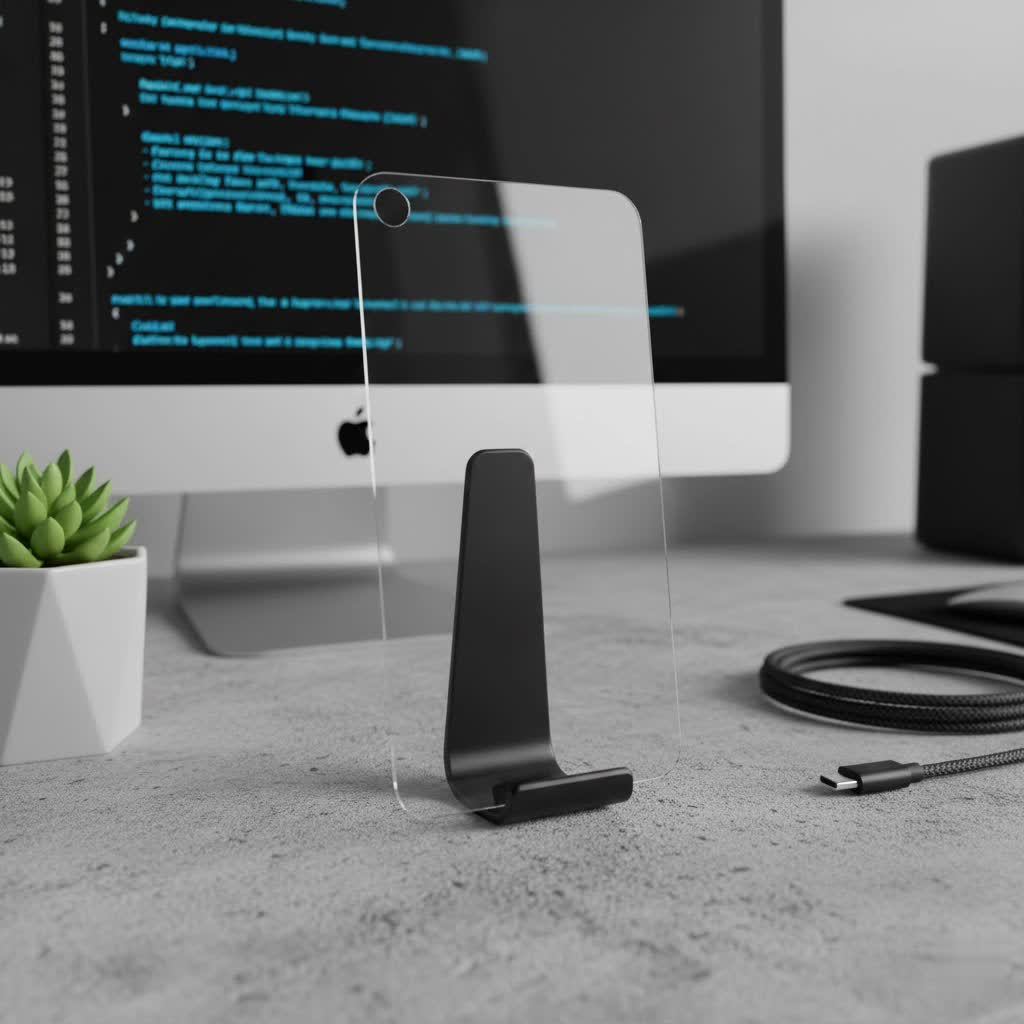
If robust protection is your top priority, tempered glass is often the champion. Crafted from heat-treated glass, these protectors are designed to absorb impacts and scratches, sacrificing themselves to save your iPad Air’s original screen. They offer exceptional clarity, maintaining the vibrant colors and sharp details of your Retina display. Many users also appreciate the smooth, familiar feel, almost identical to the bare glass of your iPad.
However, tempered glass isn’t without its quirks. While incredibly durable, they can sometimes add a slight thickness to your device, which might affect the snug fit of certain cases or accessories. And, just like any glass, a severe impact can cause them to chip or crack, although this often means your iPad screen itself remains unharmed. Installation is generally straightforward, especially with alignment frames included in many kits, but ensuring a dust-free environment is crucial for a flawless, bubble-free finish.
Matte/Paper-like Screen Protectors
For the artists, note-takers, and digital scribblers among us, a matte or “paper-like” screen protector is often a game-changer for your iPad Air. These protectors are specifically engineered to add a subtle friction to the screen, mimicking the tactile experience of drawing or writing on paper with your Apple Pencil. This enhanced grip provides greater control and precision, transforming your iPad into a truly versatile digital canvas.
The magic comes with a trade-off: the matte finish, while excellent for reducing glare in bright environments, can slightly diffuse the screen’s clarity and vibrancy. Some users might notice a minor reduction in sharpness or color saturation. Additionally, the textured surface can cause Apple Pencil nibs to wear down a bit faster due to the increased friction. However, for those who heavily rely on their Apple Pencil for creative work or extensive note-taking, the benefits often far outweigh these minor drawbacks.
Magnetic Removable Screen Protectors
A relatively newer innovation, magnetic removable screen protectors offer unparalleled convenience. As the name suggests, these protectors snap onto your iPad Air using integrated magnets, allowing for effortless, bubble-free application and removal. This makes them perfect for users who want the flexibility to switch between a protected, glare-reduced, or paper-like surface for specific tasks, and then revert to the pristine, bare screen for media consumption.
This “on-demand” protection is fantastic, but it typically comes at a higher price point. While generally slim, they do add a minor layer to your iPad, and some users might experience a very subtle, almost imperceptible lag or change in Apple Pencil responsiveness in certain high-precision scenarios, though modern designs have largely mitigated this. Their reusability and ease of cleaning, however, are major selling points.
Film Protectors (PET/TPU)
While less common for the iPad Air than glass or matte options, traditional film protectors made from PET (polyethylene terephthalate) or TPU (thermoplastic polyurethane) offer a more basic layer of defense. These are typically thinner and more flexible than glass, providing good scratch resistance against minor abrasions. They are also generally the most affordable option.
However, film protectors offer significantly less impact protection compared to tempered glass. Installation can also be more challenging to achieve without bubbles or dust, and they might not provide the same premium feel or clarity. For a device like the iPad Air, which is a substantial investment, many users opt for the enhanced protection offered by glass or specialized matte films.
Choosing the Right Screen Protector for Your iPad Air
With so many choices, how do you pick the perfect iPad Air screen protector? It all boils down to your personal priorities and how you use your device daily.
Consider Your Usage Habits
Are you an avid artist who spends hours sketching and drawing with your Apple Pencil? A paper-like protector will transform your creative workflow. Do you mostly use your iPad Air for streaming movies, browsing the web, and occasional emails? An ultra-clear tempered glass protector will maintain visual fidelity while offering robust protection against everyday bumps and drops. Perhaps you’re a student constantly switching between typing notes and quick sketches? A magnetic removable protector might be your ideal companion, offering versatility on demand.
“Understanding your daily interactions with your iPad Air is the first step to truly protecting it,” advises Dr. Anya Sharma, a materials science expert specializing in display technologies. “A screen protector isn’t just a shield; it’s an extension of your user experience.”
Balancing Protection and Clarity
This is often the core dilemma. Tempered glass excels in impact protection and clarity, preserving the native display experience. Matte protectors prioritize a tactile feel for writing and anti-glare properties, often at a slight cost to screen clarity. Film protectors offer basic scratch defense but less impact resistance. Decide what balance is most important for your peace of mind and visual preferences.
Installation Ease and Kit Contents
A good screen protector can be rendered useless by a bad installation. Look for products that include comprehensive installation kits. These often feature alignment frames, which guide the protector perfectly into place, significantly reducing the chances of misalignment, bubbles, or dust traps. Cleaning cloths, dust removal stickers, and squeegee cards are also essential for a smooth, bubble-free application. PPICM always recommends brands that prioritize user-friendly installation.
The Art of Flawless Installation: A Step-by-Step Guide
Even the best iPad Air screen protector needs a proper installation to perform its magic. Don’t rush this process! A few extra minutes spent now can save you from frustrating bubbles and reinstallation headaches.
Pre-Installation Checklist
- Find a Clean Environment: A dust-free room is your best friend. A bathroom after a hot shower can work wonders, as the steam helps settle dust particles.
- Gather Your Tools: Ensure you have the screen protector kit, a microfibre cloth, a dust-removal sticker, and possibly a squeegee card.
- Wash Your Hands: Clean, oil-free hands prevent fingerprints on the protector’s adhesive side.
- Power Off Your iPad Air: This prevents accidental touches and helps you see dust more clearly on a dark screen.
The Application Technique
- Thoroughly Clean Your iPad Screen: Using the included alcohol wipe and microfibre cloth, meticulously clean your iPad Air’s screen. Work from the center outwards in gentle circular motions. Ensure no smudges, oils, or fingerprints remain.
- Use the Dust-Removal Sticker: Before applying the protector, use the dust-removal sticker to pick up any lingering microscopic dust particles. Lightly dab the entire screen surface. This is arguably the most critical step for a bubble-free installation.
- Position and Align: If your kit includes an alignment frame, attach it to your iPad Air. Carefully peel off the protective backing of the screen protector (usually labeled “Step 1” or “Back”). Hold the protector by its edges to avoid touching the adhesive. Align the protector with the top edge of your iPad or with the alignment frame.
- Lower and Adhere: Gently lower the protector onto the screen. Many tempered glass protectors will self-adhere, creating a satisfying “wave” as air is pushed out. For film protectors, or if you need to encourage adhesion, use your squeegee card to slowly press from the center outwards, pushing out any air bubbles.
- Final Touches: Once adhered, gently peel off the top protective film (usually labeled “Step 2” or “Front”). Use the microfibre cloth to wipe away any remaining smudges.
Troubleshooting Common Installation Hiccups
- Small Bubbles: Often, tiny bubbles will disappear on their own within 24-48 hours. For larger, persistent bubbles, gently lift the nearest edge of the protector with a credit card (or your fingernail if you’re careful), then slowly re-lay it down, pushing the bubble out with a squeegee.
- Dust Underneath: If you spot a dust particle causing a bubble, carefully lift the nearest corner of the protector. Use a dust-removal sticker to dab the underside of the protector where the dust is, and also dab the screen surface to remove the culprit. Then, re-lay the protector. Patience is key here!
Extending Lifespan: Care and Maintenance for Your Screen Protector
A screen protector isn’t a “set it and forget it” item. Proper care and maintenance can significantly extend its life and keep your iPad Air looking its best.
Regularly clean your screen protector with a soft, lint-free microfibre cloth. For more stubborn smudges, a slightly dampened cloth (with water or an approved electronics cleaner) can be used, but always ensure your iPad is powered off and unplugged. Avoid harsh chemicals, abrasive materials, or paper towels, as these can scratch or damage the protector’s coating.
For plastic film protectors, consider replacing them every 6 to 12 months, especially if you’re a heavy user, as they tend to show wear more quickly. Tempered glass protectors can last for years, but should be replaced immediately if they crack, chip, or show signs of significant damage, as their protective integrity will be compromised. Magnetic protectors, due to their reusability, typically have a longer lifespan, requiring only occasional cleaning of both the protector and your iPad screen.
Frequently Asked Questions About iPad Air Screen Protectors
Q1: Do iPad Air screen protectors affect Apple Pencil performance?
A: While ultra-clear tempered glass protectors usually have minimal to no effect, matte/paper-like protectors are specifically designed to enhance Apple Pencil performance by adding friction, mimicking paper. Some magnetic protectors might introduce very slight, almost imperceptible lag for highly precise work, but this is rare with quality brands.
Q2: Can I install an iPad Air screen protector myself, or should I get it professionally done?
A: Absolutely! With a good quality screen protector that includes an alignment frame and following the detailed steps we’ve outlined, most users can achieve a flawless, bubble-free installation at home. Professional installation is an option if you’re truly hesitant, but it’s often an unnecessary expense.
Q3: What’s the difference between 9H hardness and other ratings?
A: The “9H” hardness rating refers to the screen protector’s resistance to scratches, measured on the Mohs hardness scale (with 10H being diamond). A 9H rating indicates excellent scratch resistance against common objects like keys and coins, offering superior protection for your iPad Air’s display against everyday wear and tear.
Q4: Will an iPad Air screen protector interfere with Face ID or the front camera?
A: Reputable iPad Air screen protector brands design their products with precise cutouts for the front camera and Face ID sensors. When correctly installed, a high-quality protector should not interfere with either of these functions. Always check product reviews and specifications to ensure compatibility.
Q5: How often should I replace my iPad Air screen protector?
A: The replacement frequency depends on the type and your usage. Plastic film protectors might need replacing every 6-12 months due to wear. Tempered glass protectors can last for years but should be replaced immediately if cracked or severely damaged to maintain protection. Magnetic protectors can be cleaned and reused for extended periods.
Q6: Can I use a screen protector with an iPad Air case?
A: Yes, most screen protectors are designed to be case-friendly, meaning they have precise dimensions that allow them to fit comfortably alongside the majority of iPad Air cases without lifting or peeling at the edges. However, it’s always a good idea to check the product description for “case-friendly” claims if you’re concerned about compatibility with a specific case.
Final Thoughts: Invest in Protection, Preserve Your iPad Air
Your iPad Air is a significant investment, and its display is the window to its incredible capabilities. Choosing and properly applying the right iPad Air screen protector is one of the smartest decisions you can make to safeguard that investment. Whether you prioritize rugged defense with tempered glass, creative freedom with a paper-like feel, or the ultimate convenience of a magnetic option, there’s a perfect protector waiting for you. By understanding your needs and following our expert advice from PPICM, you’ll ensure your iPad Air remains protected, functional, and beautiful for years to come. Don’t wait for the first scratch or crack—act now and enjoy peace of mind with your perfectly protected iPad Air!
